The Definitive Ranking of Data Science Books You Need to Read
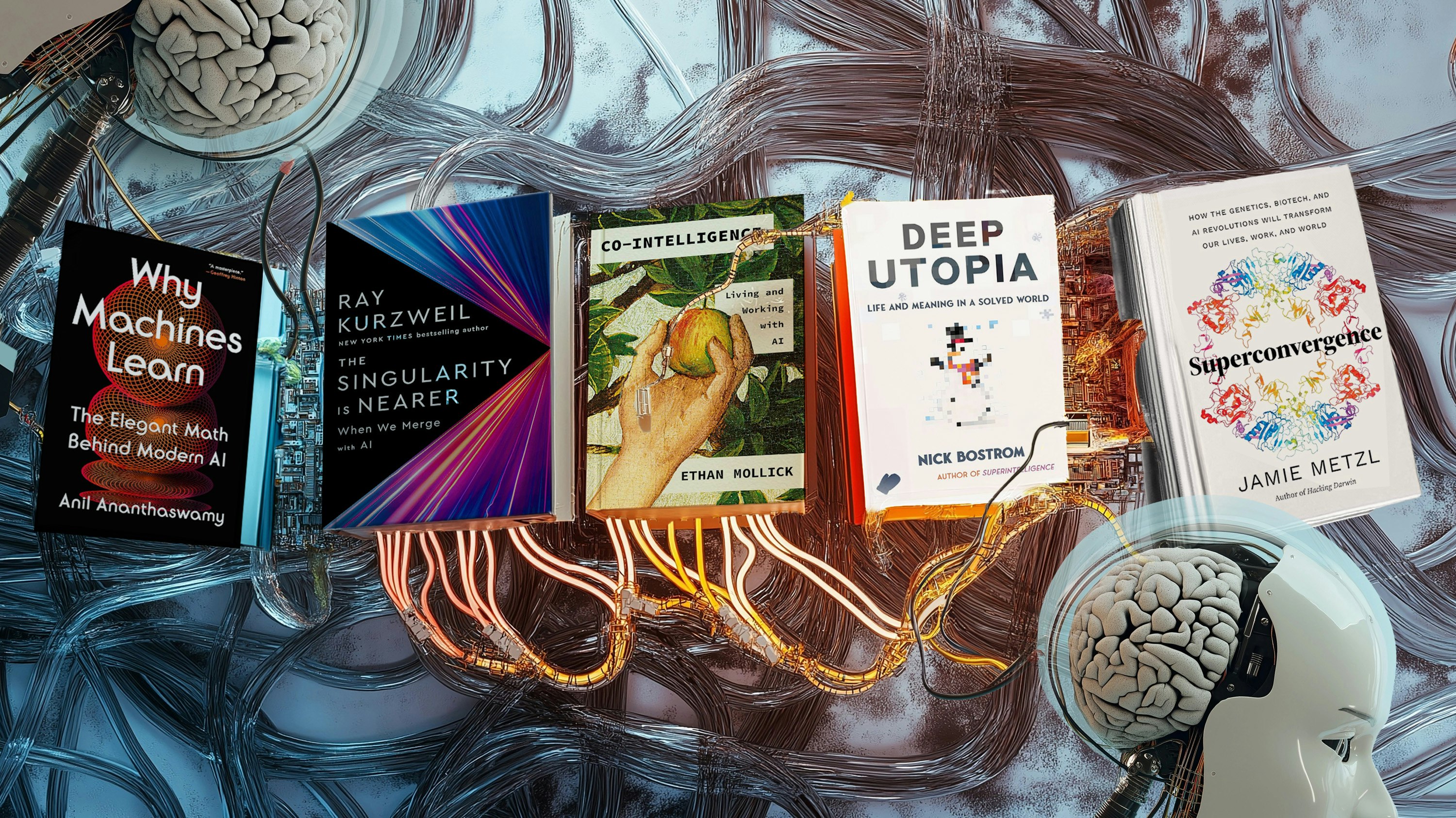 Whether you're just starting your data science journey or looking to deepen your expertise, choosing the right books can accelerate your learning dramatically. After years in the field and countless conversations with data scientists at all levels, I've compiled this ranking of the most impactful data science books available today.
The Top 10 Data Science Books
1. Python for Data Analysis by Wes McKinney
This book claims the top spot for good reason. Written by the creator of pandas, it's the definitive guide to data manipulation and analysis in Python. McKinney doesn't just teach you the syntax—he shows you how to think about data problems. The third edition covers modern pandas features and includes real-world datasets that help you understand not just the "how" but the "why" behind data analysis decisions. If you're serious about data science in Python, this is your starting point.
2. Hands-On Machine Learning with Scikit-Learn, Keras, and TensorFlow by Aurélien Géron
Géron's masterpiece bridges the gap between theory and practice better than any other machine learning book. The hands-on approach means you're building working models from chapter one, while the explanations ensure you understand the mathematical foundations. The book covers everything from linear regression to deep learning, with clear code examples and practical advice on model selection, hyperparameter tuning, and deployment considerations.
3. The Data Science Handbook by Field Cady
This comprehensive guide covers the entire data science workflow, from data collection through modeling to deployment. What sets it apart is its practical focus on the messy reality of real-world data science projects. Cady addresses the 80% of work that other books skip: data cleaning, dealing with missing values, and navigating organizational challenges. The book is particularly valuable for those transitioning from academic settings to industry.
4. Designing Data-Intensive Applications by Martin Kleppmann
While not exclusively about data science, this book is essential reading for anyone working with large-scale data systems. Kleppmann explains the architecture and trade-offs behind databases, stream processing, and distributed systems with remarkable clarity. Understanding these concepts transforms you from someone who just runs algorithms to someone who can design robust data pipelines and make informed infrastructure decisions.
5. Statistical Rethinking by Richard McElreath
McElreath's approach to Bayesian statistics is revelatory. Unlike traditional statistics textbooks that focus on memorizing tests, this book teaches you to think probabilistically and build models that capture your understanding of the problem. The conversational writing style and focus on intuition make complex concepts accessible, while the rigorous treatment ensures you develop genuine expertise. The accompanying lectures are an incredible bonus resource.
6. Deep Learning by Ian Goodfellow, Yoshua Bengio, and Aaron Courville
Often called "the Deep Learning Bible," this comprehensive tome from three pioneers in the field provides the mathematical and conceptual foundations of deep learning. It's not an easy read, but it's the definitive reference for understanding neural networks at a fundamental level. The book moves from basic concepts through advanced topics like generative models and reinforcement learning, making it valuable for both learning and reference.
7. Storytelling with Data by Cole Nussbaumer Knaflic
The best analysis means nothing if you can't communicate it effectively. Knaflic's book teaches the art and science of data visualization and presentation. Through before-and-after examples, she demonstrates how to eliminate clutter, focus attention, and tell compelling stories with data. This book has transformed how countless data scientists present their findings to stakeholders and executives.
8. Feature Engineering for Machine Learning by Alice Zheng and Amanda Casari
Andrew Ng famously said that applied machine learning is basically feature engineering. This book delivers exactly what its title promises: a comprehensive guide to creating features that make your models work. Zheng and Casari cover encoding categorical variables, handling text and images, dimensionality reduction, and feature selection with practical examples throughout. The impact of good feature engineering on model performance cannot be overstated.
9. Introduction to Statistical Learning by Gareth James, Daniela Witten, Trevor Hastie, and Robert Tibshirani
This accessible introduction to statistical learning strikes the perfect balance between mathematical rigor and practical application. The book covers core machine learning algorithms with enough theory to understand when and why to use them, but without drowning you in proofs. The R code examples are clear and reproducible, and the exercises at the end of each chapter reinforce key concepts. It's the ideal stepping stone before tackling the more advanced "Elements of Statistical Learning" by the same authors.
10. Data Science for Business by Foster Provost and Tom Fawcett
Rounding out the top ten is this essential read for understanding data science from a business perspective. Provost and Fawcett explain how to frame business problems as data science problems, evaluate model ROI, and communicate technical concepts to non-technical stakeholders. If you want to ensure your technical skills translate into business impact, this book shows you how to think about data science strategically rather than just tactically.
Honorable Mentions
Several excellent books just missed the top ten but deserve recognition:
Practical Statistics for Data Scientists by Peter Bruce and Andrew Bruce offers a concise, no-nonsense guide to the statistical concepts that matter most in applied data science work.
Python Data Science Handbook by Jake VanderPlas remains an excellent reference for the core Python data science stack, with clear examples of NumPy, pandas, Matplotlib, and Scikit-Learn.
Machine Learning Yearning by Andrew Ng provides invaluable advice on structuring machine learning projects, though it's available free online rather than in print.
How to Choose Your Next Read
Your ideal next book depends on where you are in your journey. If you're starting out, begin with Python for Data Analysis and Hands-On Machine Learning. For those with programming basics but new to statistics, Statistical Rethinking or Introduction to Statistical Learning will build solid foundations. Experienced practitioners looking to level up should explore Designing Data-Intensive Applications and Feature Engineering for Machine Learning.
The key is to balance theory with practice. Reading alone won't make you a data scientist—you need to write code, work with real data, and apply what you learn. But the right books can dramatically accelerate your progress by teaching you not just techniques, but ways of thinking about data problems.
Final Thoughts
Data science is a rapidly evolving field, and no single book can cover everything. The books in this ranking have stood the test of time because they teach fundamental concepts and approaches that remain valuable even as specific tools and techniques change. Invest in these foundational texts, work through the examples, and you'll build expertise that serves you throughout your data science career.